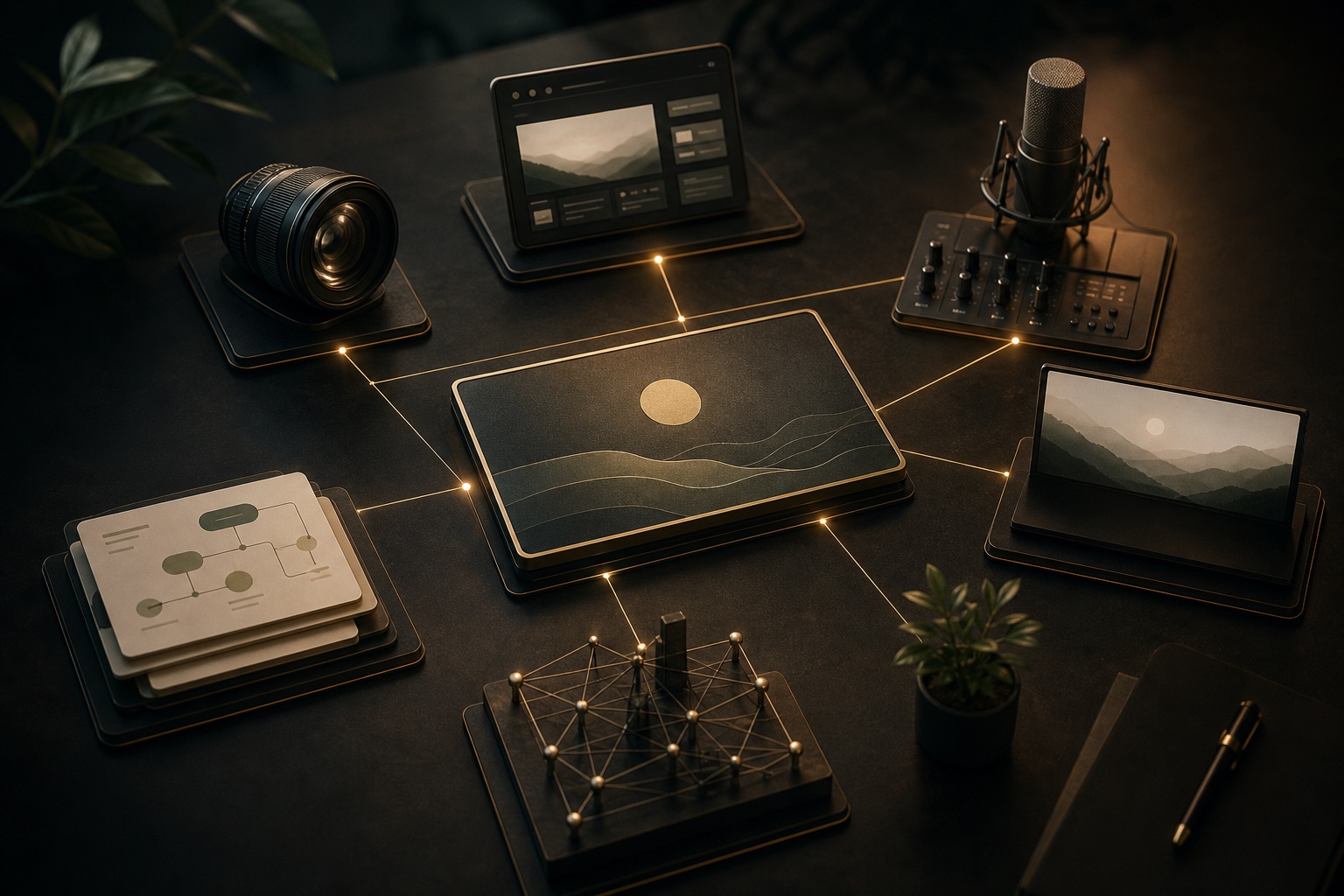
Some work feels effortless from the outside. A website is easy to use. A photograph feels natural. A service interaction feels personal. An event moves smoothly. A business system quietly does what people need it to do.
But effortless is rarely accidental. Behind the visible result is usually a disciplined structure: decisions, tools, standards, roles, workflows, timing, judgment, and repetition. The audience feels the experience. The system produces it.
I call this relationship Functional Art. It is the philosophy I use to think, create, and perform at a high level across disciplines. It helps me see how beauty, clarity, service, technology, and operations all connect.
Functional Art has two layers. The Experience Layer is what the recipient sees, feels, understands, and remembers. It may create trust, confidence, ease, beauty, comfort, or momentum. The Utility Layer is the hidden structure that makes that experience possible: strategy, production, code, training, equipment, process, infrastructure, and quality control.
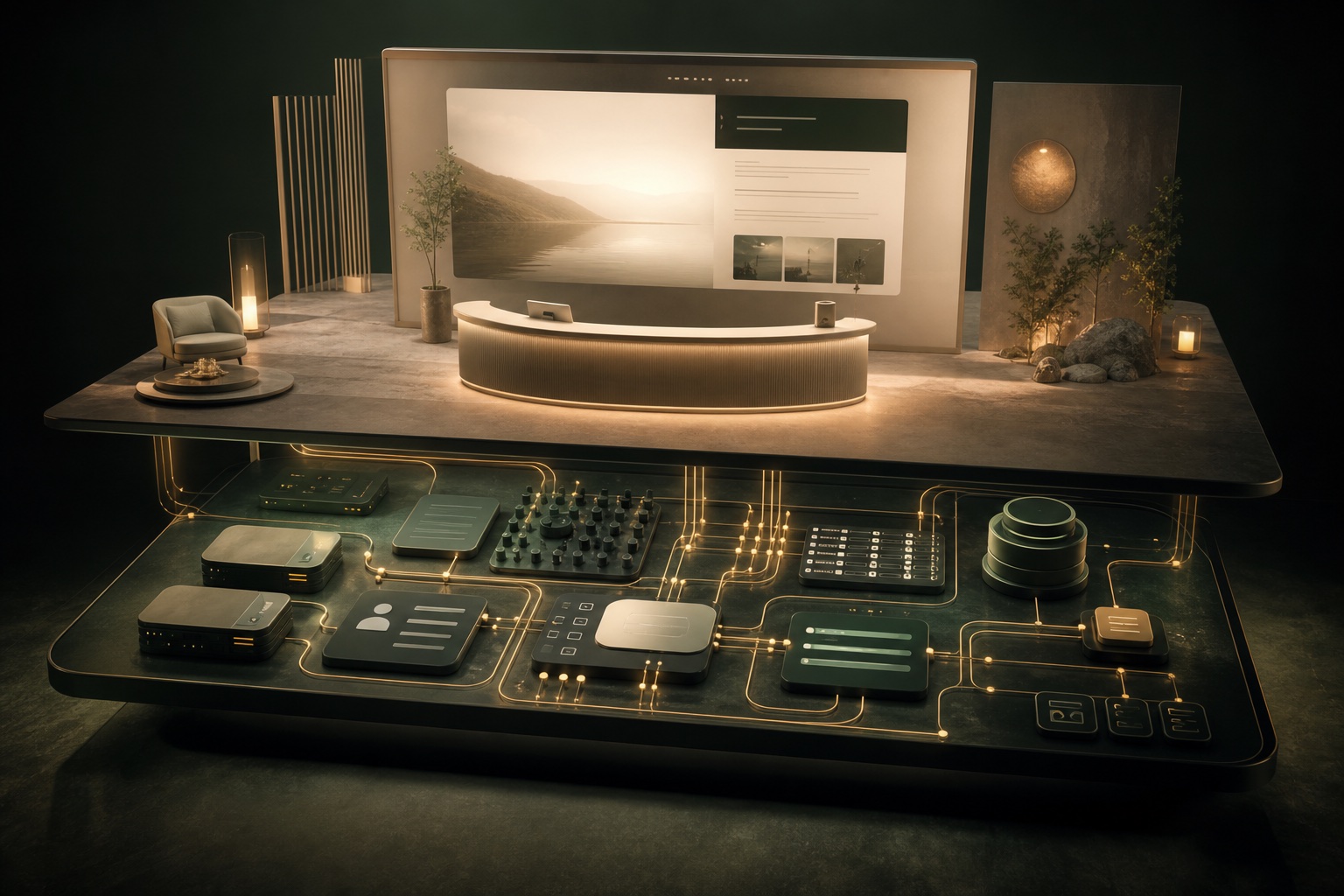
A portrait is not only lighting and expression. It is preparation, direction, camera choices, file management, editing, and delivery. A great customer interaction is not only a warm voice. It is training, policies, knowledge, escalation paths, and professional standards. A strong website is not only a beautiful page. It is content strategy, navigation, forms, speed, accessibility, security, and a clear next step.
This is why I do not separate creative work from technical work as sharply as some people do. Design affects how a system is understood. Technology affects how the experience feels. Operations affect whether the promise can be repeated. When one layer is weak, the whole experience becomes fragile.
Beauty without utility can make a strong first impression and still disappoint people. Utility without meaning can be efficient and still feel cold, confusing, or disconnected. Functional Art asks both sides to serve the same outcome.
The most important question is simple: who is receiving the experience, and what should that person feel, understand, or be able to do next? In business, that recipient may be a customer. In healthcare, a patient. In education, a student. In ministry, a visitor or member. In software, a user. In Human Resources, the employee becomes the recipient.
That shift matters because the same person can be part of one system and the recipient of another. An employee may help produce the customer experience while also receiving an employee experience from the organization. Good systems recognize both realities.
This philosophy shapes how I approach websites, media, presentations, branding, apps, support workflows, and business tools. I am not only asking whether something looks good or whether the technology works. I am asking what kind of human experience the system creates.
If people feel confused, delayed, ignored, or unsure, the Utility Layer needs attention. If the operation is strong but the experience feels cold or unclear, the Experience Layer needs design. The best work brings both into alignment.
Functional Art is a way of seeing complete work. The photograph and the process. The website and the code. The event and the logistics. The customer moment and the business system behind it. Great work feels effortless because someone cared about the engine no one was supposed to notice.